IonGen G2 Quick Install Guide
Description
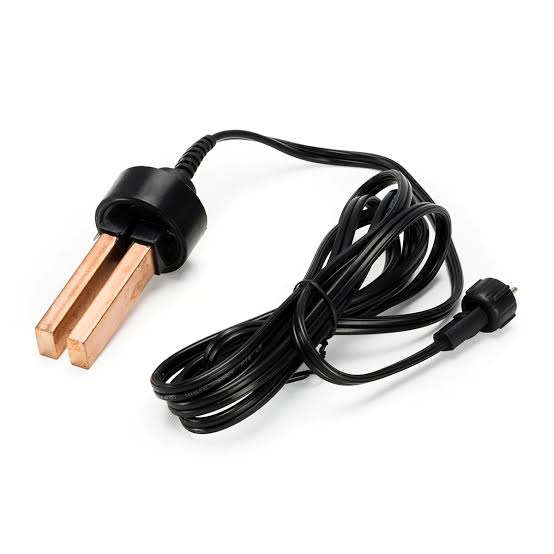
This lesson covers installing an Aquascape IonGen System G2. You will mount the control panel and transformer, place the probe in constant flow, bury the low-voltage wire with the pump cord, and set a starting intensity.
Nature Perfect defaults to a skimmer strap. In-line plumbing is the exception. After the pond is filled, confirm copper with a test kit and start low, especially on small or koi ponds.
System
- 🧰 New Aquascape IonGen System G2 (control panel, probe, 12V transformer, flow chamber, fittings)
- 🧷 Probe holder or skimmer strap
- 🪢 Zip ties
Mounting
- 🔌 Electric drill
- 🔩 Mounting screws and wall or post anchors
- 🪛 Screwdriver
Electrical
- ✂️ Wire cutters / strippers
- 🩹 Electrical tape
- ⚡ GFCI-protected outdoor outlet (confirm on site)
- 🧪 Copper test kit
Site
- 🪣 Pond vacuum or net (clear the skimmer)
- ⛏️ Shovel (bury the low-voltage wire with the pump cord)
If Plumbing In-Line
- 🔧 Hose clamps
- 🧴 PVC cement
- 🪚 Hacksaw
Precautions
⚡️
Levels
Start new installs at the lowest intensity setting, especially on smaller ponds (under about 1,000 gallons) - you can always increase it after confirming copper levels with a test. Check the reference tool for levels.
📖
Regulations
Bury low-voltage wiring (ion gen, lighting, air tubing) at least 6 inches deep per NEC 300.5 - direct burial is fine for circuits under 30V, no conduit required at that depth.
🔌
GFCI
Route the brain unit's AC transformer connection to a GFCI-protected outlet, standard practice for any pond electrical component.
How It Works
How Copper Ionizes the Water
When the IonGen system applies a direct current, the probe undergoes anodic oxidation. The electrical current forces the solid copper atoms on the surface of the metal to surrender two of their electrons to the circuit.
This chemical reaction transforms the solid, insoluble copper metal into water-soluble copper ions. They instantly detach from the solid metal matrix and dissolve into the surrounding water. The constant physical flow of the water past the probe then sweeps these newly dissolved ions out into the pond before they have a chance to travel across the gap and plate onto the opposite, negatively charged prong.
How Copper Ions Destroy Algae
Once dispersed in water, positively charged copper ions act as a potent algaecide by aggressively targeting the cellular structure of algae. The positive ions are naturally attracted to the negatively charged cell walls of the algae, where they bind and critically alter cell membrane permeability.
This disruption allows the copper to penetrate the cell and bind to specific internal enzymes and proteins, effectively shutting down the organism's ability to photosynthesize and process nutrients. Ultimately, this systemic enzymatic failure leads to structural collapse and cell death.
Reference
Level Setting Guide
| Pond Size | Starting Level |
|---|---|
| Up to 1,000 gal | 1 |
| 1,000–2,500 gal | 1–2 |
| 2,500–5,000 gal | 2–3 |
| 5,000–10,000 gal | 3–4 |
| 10,000–15,000 gal | 4–5 |
| 15,000–25,000 gal | 5–6 |